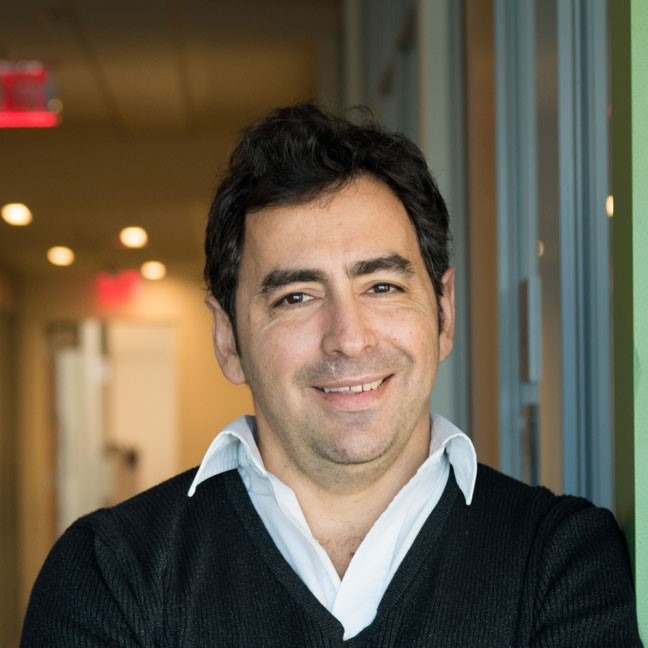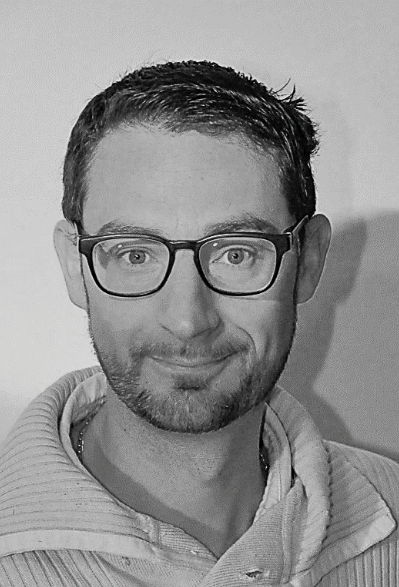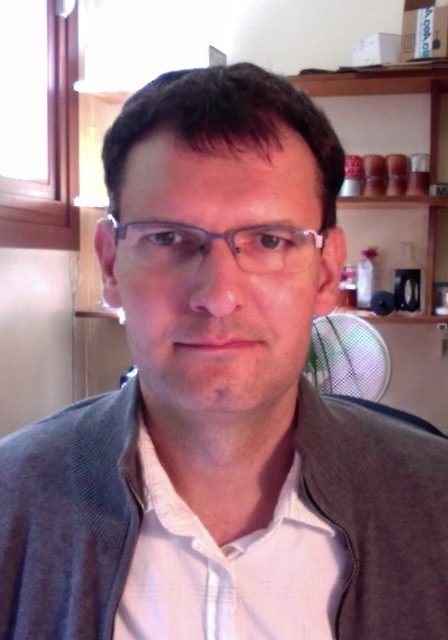

Preliminary Program – Update

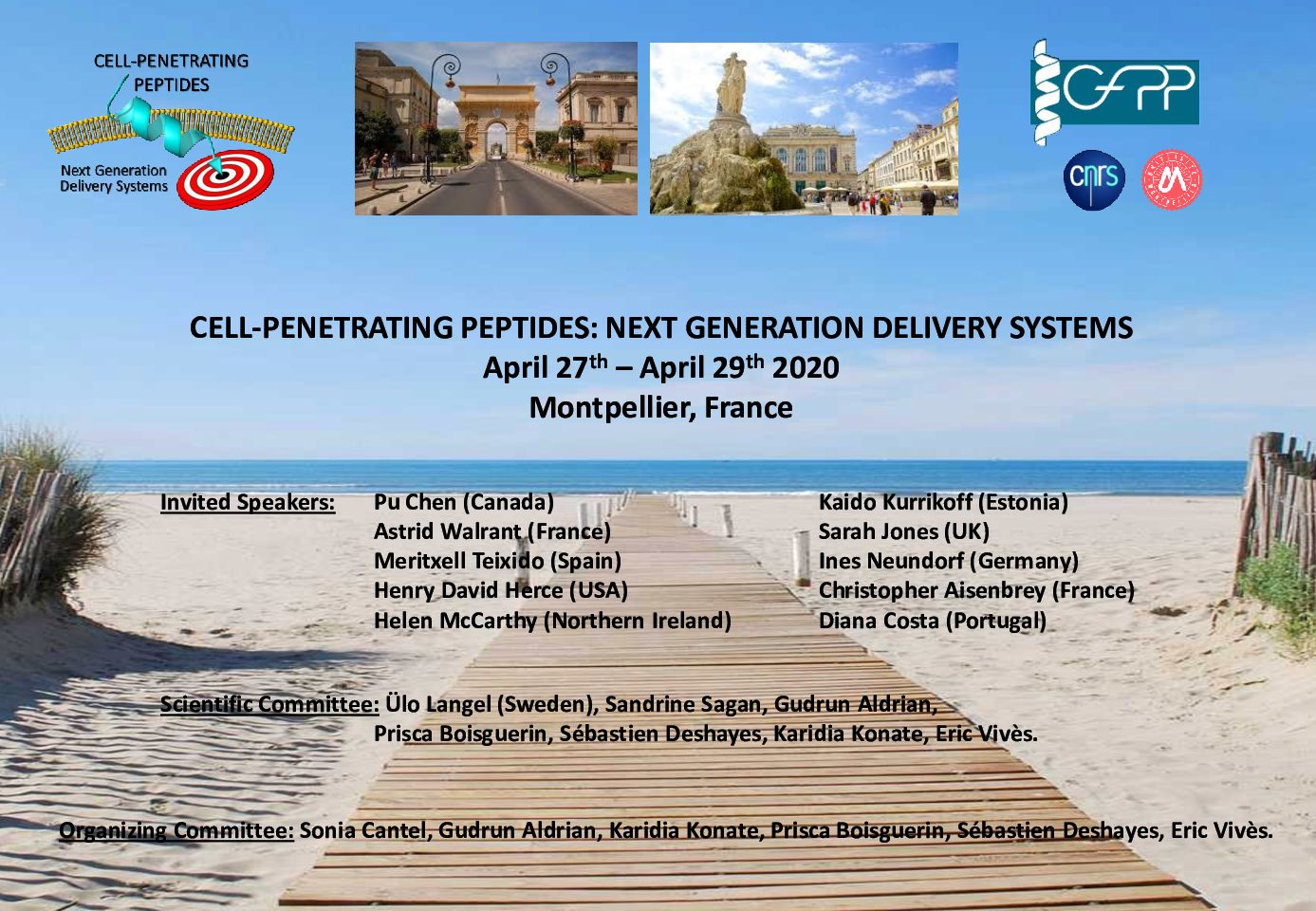
Regarding the worldwide situation about the COVID-19, we are sorry to announce that the conference “Cell-penetrating peptides: Next generation delivery systems” will be postponed.

 The new dates for the conference will be
from Monday 5th to Wednesday 7th October 2020.

Monday April 27th

14:00 – 14:30 Opening
14:30 – 15:15 Sarah Jones (UK)

“Spermatozoa and Schmidtea mediterranea as alternative models for the evaluation of CPPs and bioportides: Progress towards a non-hormonal male contraceptive and generation of a novel CPP.”

15:15 – 15:40 Christopher Aisenbrey (France)

“The LAH4 system for DNA delivery: The metamorphosis of a model peptide to a medical tool”

15:40 – 16:10 Coffee break
16:10 – 16:35 Hellen O McCarthy (Northern Ireland)

“Therapeutic Nucleic Acid Vaccinations: RALA peptide-mediated gene delivery via dissolving microneedles”

16:35– 18:00 5 short talks (10 min + 2 questions)
18:15 Poster session 1
19:00 Welcome cocktail

Thuesday April 28th

9:30 – 10:15 Pu Chen (Canada) (to be announced)
10:15 – 10:55 Ines Neundorf (Germany)

“Towards the design and biological activity of cell-permeable peptide-drug conjugates”

10:55 – 11:25 Coffee break
11:25 – 12:10 3 short talks (10 min + 2 questions)
12:10-14:30 Lunch
14:30 – 15:15 Meritxell Teixido (Spain)

“Blood-Brain Barrier Shuttle Peptides, From Discovery to Applications”

15:15 – 15:40 Diana Costa (Portugal)

“Exploring the potential of peptide-plasmid DNA vectors for gene delivery in cancer therapy”

15:40 – 17:00 Coffee break + Poster session 2
17:00 – 18:00 4 short talks (10 min + 2 questions)

Wednesday April 29th

9:30 – 10:15 Henry David Herce (USA)

“Cell-Penetrating Peptides: From molecular mechanisms to therapeutic applications”

10:15 – 10:40 Astrid Walrant (France)

“Contributions of PIP2 to Penetratin internalization biophysical and affinity photocrosslinking approaches”

10:40 – 11:10 Coffee break
11:10 – 11:40 2 short talks (10 min + 2 questions)
11:40 – 12:05 Kaido Kurrikoff (Estonia)

“Delivery of Therapeutic Nucleic Acid with CPPs – Development Towards Mammalian Models and Applications in Biotechnology”

12:05 – 12:15 Closing remarks


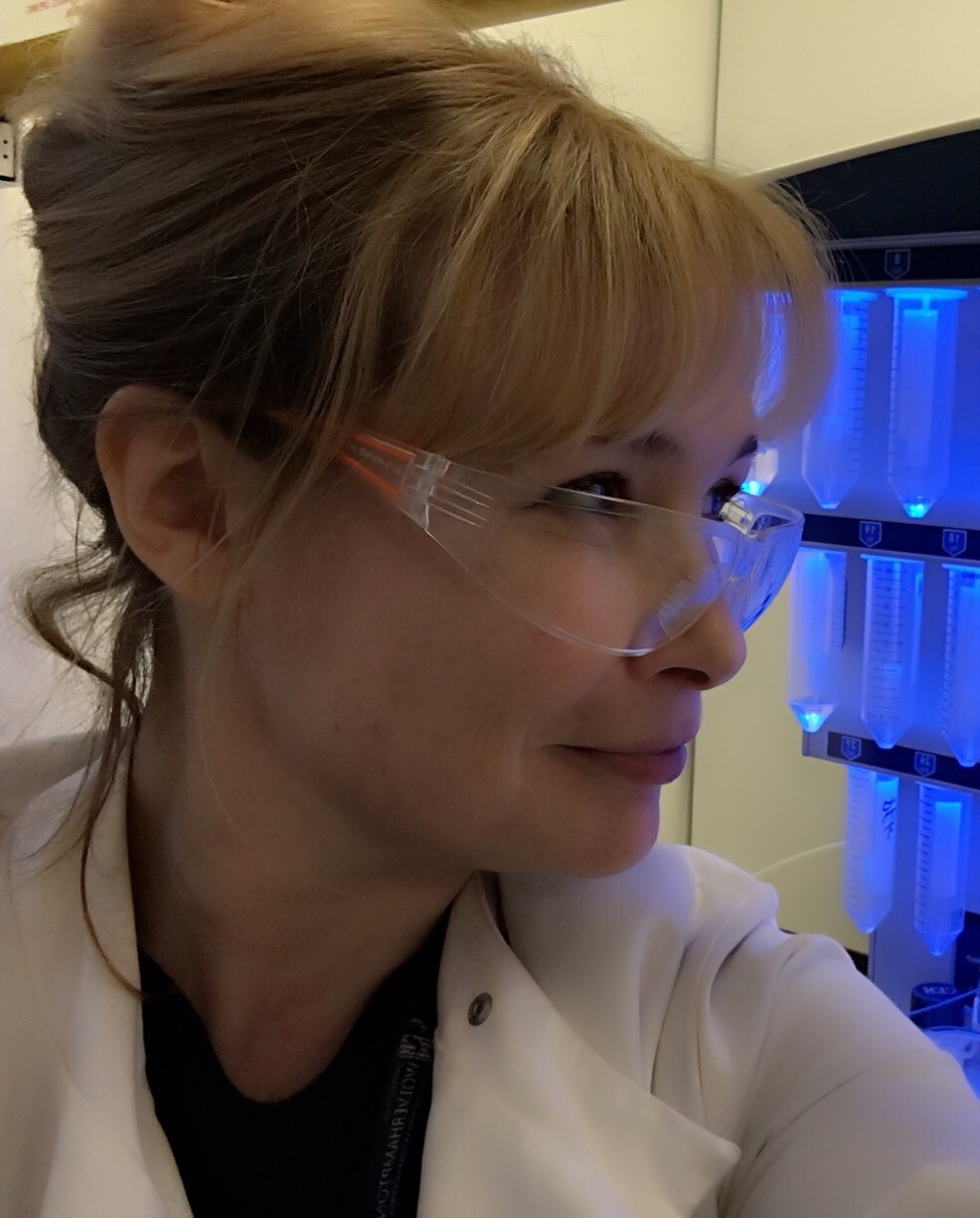
Dr Sarah Jones

Faculty of Pharmacy University of Wolverhampton – UK

“Spermatozoa and Schmidtea mediterranea as alternative models for the evaluation of CPPs and bioportides: Progress towards a non-hormonal male contraceptive and generation of a novel CPP

Dr Sarah Jones is a Reader in Pharmacology and a member of the Molecular Pharmacology Research Group at the University of Wolverhampton. For the past 20 years, Sarah’s research has focussed on Cell Penetrating Peptides (CPPs) and she has played a major role in the development of bioactive CPPs, bioportides. This has resulted in a paradigm shift from the use of CPPs merely as inert vectors, to their applicability and therapeutic utility as modulators of intracellular protein-protein interactions. Identification of these novel cryptic CPPs within key signalling proteins has resulted in scientific publications regarding the utility of bioportide technology in apoptosis, angiogenesis and Parkinson’s disease pathophysiology. In 2013, the Molecular Pharmacology Group reported that CPPs readily enter spermatozoa. This development precipitated the subsequent identification of bioportides capable of penetrating human sperm cells to modulate the activities of intracellular proteins that control calcium signalling, motility and fertilisation capacity and as such has laid the foundations for the development of a non-hormonal male contraceptive.

Website

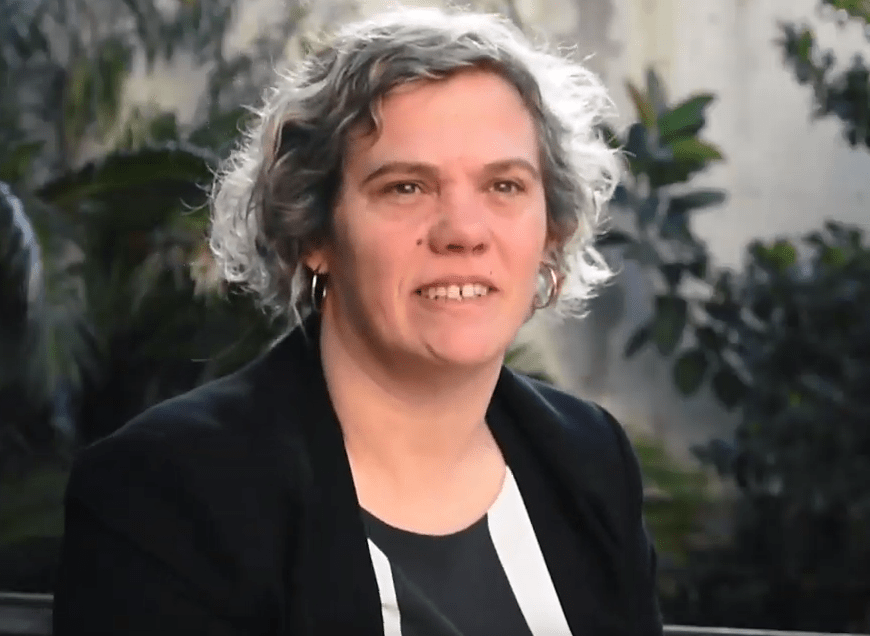
Dr Meritxell Teixidó

Institute for Research in Biomedicine IRB Barcelona Institute of Science and Technology – Spain

“Blood-Brain Barrier Shuttle Peptides, From Discovery to Applications

Dr. Teixidó’s major interests are in the field of peptide synthesis and the discovery of peptide shuttles able to reach the brain and increase the transport of a wide range of cargoes including drugs, nanoparticles or diagnostic agents. With this aim, she is developing a toolbox of protease resistant BBB-shuttle peptides, mass spectrometry techniques and transport evaluation tools to be used to discover new shuttles that will improve the delivery of cargoes to the brain.

Meritxell Teixidó has published around 50 scientific articles and reviews and she has participated in 7 patents. In 2007 she won the American Peptide Idol first prize at the 20th American Peptide Symposium in Montreal, Canada. Since 2010 she is the national representative in the European Peptide Society Council and Chairperson of the next 36th EPS (European Peptide Symposium) and 12th IPS (International Peptide Symposium) (Barcelona, Sept 2020).

Dr. Teixidó has presented various oral communications in national and international scientific meetings. She has co-directed 8 doctoral theses. During her career, she has participated in several research projects founded by different national and international agencies and different patient associations. Together with Ernest Giralt she is principal investigator in the I+D project from MINECO: Peptides as therapeutic agents: modulation of protein-protein interactions and brain delivery.

In addition she has participated in various collaborations with industry (Menarini Laboratories, Farmhispania, Pharmamar, Cancer Research Technology, Zyentia Ltd., Janssen, Bioingenium, L’Oreal). More recently and through the initiatives such as Llavor, Producte, MAP-EADA and XXI Fòrum d’Inversió ACCIÓ, she has gain training and expertise in the Biotech Entrepreneur Arena.

Website

Dr Kaido Kurrikoff

Institute for Technology University of Tartu – Estonia

“Delivery of Therapeutic Nucleic Acid with CPPs – Development Towards Mammalian Models and Applications in Biotechnology

Kaido Kurrikoff is a researcher at the Institute of Technology, University of Tartu, Estonia. He acquired his PhD degree (Neurosciences) at the University of Tartu, in 2009, focusing in the field of neurochemistry, psychopharmacology, and behavioral neurosciences. He did his postdoctoral training in Stockholm University, working under the supervision of Prof Ülo Langel, who is one of the founders of the field of cell penetrating peptides (CPP).

His main research interests are related to development of nucleic acid delivery systems and applications of drug delivery vectors in vivo. Thus he has worked with various models of cancer, lung diseases and trans-BBB delivery. He is also involved in development of CPP-based transfection methods, applicable in mammalian cell factories for the production of therapeutic proteins.

Website

Prof. Ines Neundorf

Institute for Biochemistry University of Cologne – Germany

“Towards the design and biological activity of cell-permeable peptide-drug conjugates

Prof. Dr. Ines Neundorf studied chemistry at the Universities of Freiburg and Leipzig. 2003 she obtained her PhD in Organic Chemistry (Leipzig University) and afterwards joined the group of Prof. A. G. Beck-Sickinger (Institute of Biochemistry, Leipzig University). 2011 she was appointed as Juniorprofessor for Biochemistry at the Institute for Biochemistry, University of Cologne, and since 2016 she is full professor at the same Institute.

Her main research interests are in the fields of membrane-active peptides, with a focus on cell-penetrating and antimicrobial peptides. Particularly, the use of chemical methods to tune cell selectivity of these peptides or to reach specific intracellular targets, as well as the synthesis and application of peptide-drug conjugates, are main topics in her group.

Website

Dr Henry D. Herce

Dana-Farber Cancer Institute & Harvard Medical School Boston, Massachusetts, USA

“Cell-Penetrating Peptides: From molecular mechanisms to therapeutic applications

My interest centers on transforming peptides into cell-permeable in vivo active therapeutic compounds and the design of molecular tools to validate their activity in vitro and in vivo. I combine multidisciplinary theoretical and experimental methods to understand the mechanisms of uptake of cell-penetrating peptides and tackle this property to design cell-permeable therapeutic peptides. As an undergraduate I studied physics in Argentina (Institute Balseiro), obtained a PhD in physics in US (North Carolina State University), as a postdoc I trained on bioinformatics in US (Rensselaer Polytechnic Institute) and on Biology in Germany (Technische Universität Darmstadt). During this time I focused on arginine-rich cell-penetrating peptides. Currently I am at Harvard Medical School and Dana-Farber Cancer Institute developing therapeutic cell-permeable stapled peptides.

Website

Alesia TIETZE

Department of Chemistry and Molecular Biology University of Gothenburg, Göteborg, Sweden

 « Chemical synthesis of membrane-associated peptides: studies on influenza virus B protein BM2 »

Website

Biography and abstract

Birgit WILTSCHI

Synthetic Biology Group, ACIB – Austrian Centre of Industrial Biotechnology, Graz , Austria

« Engineering of proteins with non-canonical amino acids in industrial biotechnology »

Website

Biography and abstract


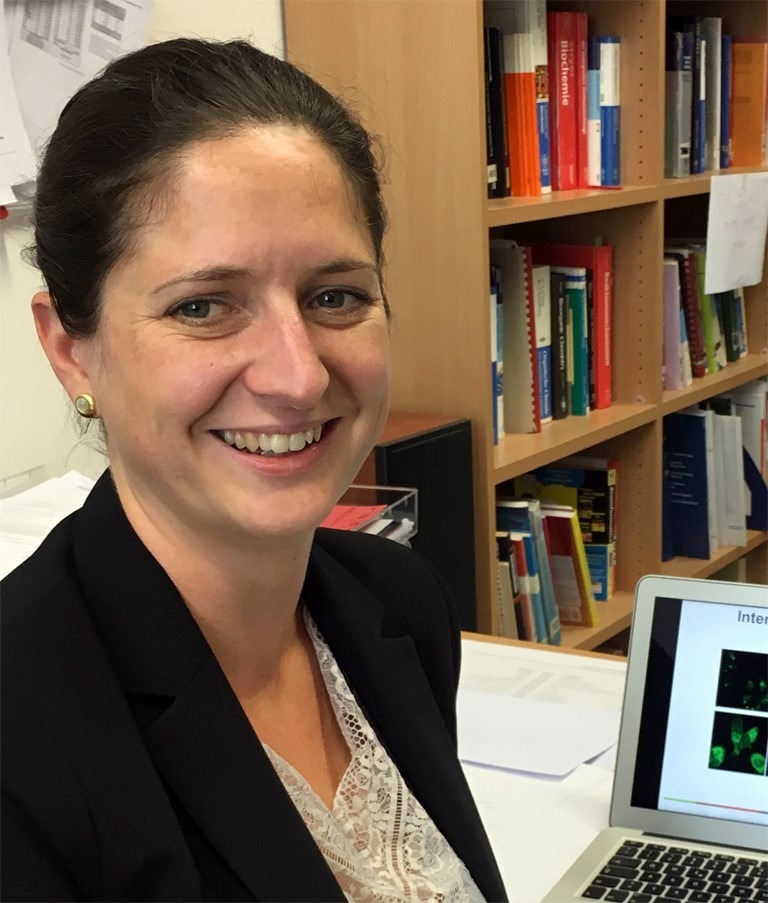
Dr Diana Costa

CICS-UBI Universidade Beira Interior  ―  Covilha – Portugal

“Exploring the potential of peptide-plasmid DNA vectors for gene delivery in cancer therapy

Diana Costa studied Chemistry at the Chemistry Department from the Faculty of Science and Technology, University of Coimbra, Portugal. She completed her PhD on the development of covalent DNA gels for delivery purposes, in 2009 at the University of Coimbra, Portugal. During her PhD studies, she also works at the Physical Chemistry Department from Lund University, Sweden and at the Karl-Franzens Institute from Graz University, Austria. She is currently a Principal Researcher at Health Sciences Research Centre, University of Beira Interior, Covilhã Portugal (CICS-UBI). Her research focus in the area of Biotechnology/Biomaterials Engineering, mainly on the Biomolecular and Biomaterials research for the development of novel therapeutic systems (micro, nanoparticulated or others) for targeted and controlled drug and/or gene delivery on nuclear and mitochondrial gene therapies field. In this context, currently, her research area covers the development of cell-penetrating peptide based delivery systems to operate therapeutically in a broad range of clinical applications.

Website

Dr Christopher Aisenbrey

Laboratoire des Biophysique des Membranes et RMN Université de Strasbourg  ―  Strasbourg- France

“The LAH4 system for DNA delivery: The metamorphosis of a model peptide to a medical tool

He studied physics in Freiburg im Breisgau, Brighton and Heidelberg and finished 1999 with a master degree at the German cancer research center (DKFZ) in Heidelberg. He did his PhD studies at the Max Planck Institut for Biochemistry in Martinsried and the University of Strasbourg under the supervision of Burkhard Bechinger and received 2003 the PhD degree from the University of Strasbourg. He broadened his expertise in PostDoc position at the Startup Company AC Immune, the University of Umeå and the University of Srasbourg. In 2014 he was recruted as chargé de recherche at CNRS (UMR 7177 university of Strasbourg/CNRS).

His main interst is the investigation of membrane peptides by solid state NMR and other biophysical methods like fluorescence, cirular dichroism and others. He is working on a peptide assisted enodsomal delivery system (LAH4). Is not a classical cell penetrating peptide, but it can serve a similar goal.

Website

Dr Astrid Walrant

Laboratoire des Biomolécules LBM Sorbonne Université  ―  Paris – France

“Contributions of PIP2 to Penetratin internalization biophysical and affinity photocrosslinking approaches

I did my PhD in Paris, at the Laboratoire des Biomolecules, Pierre et Marie Curie University, under the supervision of Isabel Alves and Sandrine Sagan, between 2008 and 2011. My PhD work focused on the analysis of peptide/membrane interactions in the context of cell penetrating peptides.

In 2012, I joined Jenny Gallop’s group at the Gurdon Institute, Cambridge University, as a postdoctoral research fellow. I worked on the regulation of actin polymerisation by lipid membranes. My work focused on the regulatory role of certain phosphoinositides, membrane curvature and curvature-inducing proteins.

In 2014, I came back to Paris and joined the Laboratoire des Biomolecules as Assistant Professor attached to the Chemistry Faculty. My research focuses on the analysis of the mechanism of action of membrane active peptides (cell penetrating, antimicrobial, viral…) at a molecular level, using biophysical approaches.

Website

Symposium “Cell-Penetrating Peptides: Next Generation Delivery Systems”, Montpellier (France), Oct 5th – 7th, 2020

Regarding the worldwide situation about the
COVID-19, we are sorry to announce that the conference “Cell-penetrating peptides: Next generation delivery systems” will be postponed.

We are doing our best to find an adequate new date as soon as possible during 2021-2022.


Past thematic days organized under the auspices of GFPP

Registration to the NCAA-2019

Registrations are now closed

Key Dates:

July 3rd, 2019 : deadline for oral communication submission

July 30th, 2019 : deadline for poster submission.

September 12th, 2019 : end of registration.

Registration types Registration Fees
Student / Postdoctoral fellow 60 €
Academic delegate 96 €
Private company delegate 180 €

Registration fees include :

•Access to all scientific sessions • Abstract book • Coffee breaks
• Gala dinner

Scientific Programme

October 21st, 2019 (afternoon)

1 pm – 1:40 pm : registration, coffee

1:40 pm – 1:50 pm : welcome address

1:50 pm – 2:30 pm : Helma Wennemers
“The Many Faces of Proline”

2:30 pm – 2:50 pm : Igor Komarov
Natural peptides endued with “unnatural” structure and functions (case studies)

2:50 pm – 3:10 pm : Lucile Fischer
Helical aromatic oligoamide foldamers for protein surface recognition

3:10 pm – 3:30 pm : Susanne Huhmann
Towards fluorinated, peptide-based HIV-1 fusion inhibitors

3:30 pm – 3:50 pm : Marcin Drag
Hybrid Combinatorial Substrate Library with unnatural amino acids in design of specific and active probes for proteolytic enzymes


3:50 pm – 4:20 pm : soft drinks


4:20 pm – 5:00 pm : Dafydd Jones
Making proteins do unnatural things with unnatural amino acids: from non-native-PTM to nanotechnology”

5:00 pm – 5:20 pm : Julien Pytkowicz
Non Canonical Trifluoromethylated Amino Acids: Efficient Tools to Modify Peptides Conformation and Hydrophobicity

5:20 pm – 5:40 pm : Arnaud Martel
Asymmetric Synthesis of R and S d-Valerolactamic Quaternary Amino Acids as Chiral b-Turn Inducers

5:40 pm – 6:00 pm : Samir Messaoudi
“”Tag and modify” strategy for the Pd-catalyzed Thioglycoconjugation of peptides

6:00 pm – 6:40 pm : Muriel Gondry
Cyclodipeptide synthase-dependent pathways: an efficient tool to incorporate non-canonical amino acids into  2,5-diketopiperazines

6 : 40 pm – 8:00 pm : poster session / cocktail


8:00 pm – 10:00 pm : diner


October 22nd, 2019 (morning)

8:30 am – 9:10 am : Irene Coin
Genetically encoded chemical tools for GPCR studies”

9:10 am – 9:30 am : Shixin Ye
Photosensitive tyrosine analogues unravel site-dependent phosphorylation in TrkA initiated MAPK/ERK signaling”

9:30 am – 9:50 am : Annemieke Madder
3-(2-Furyl)alanine as a versatile and ROS triggerable amino acid for peptide and protein crosslinking and labeling”

9:50 am – 10:10 am : Dmytro Dziuba
Diazirine-based unnatural amino acids as chemical tools for studying RNA-protein interactions”

10:10 am – 10:30 am : Robert Quast
Improving the accuracy of smFRET measurements through site-specific protein labeling using two distinct non-canonical amino acids with orthogonal reactivity “


10:30 am – 11:00 am : coffee break


11:00 am – 11:40 am : Thomas Sakmar
Using Genetic Code Expansion Technology to Probe the Functionality of Cryptic Ligand-Binding Pockets in GPCRs”

11:40 am – 12:00 am : Carlos Elena-Real
Site-specific incorporation of isotopically labeled amino acids to study homorepeat proteins at high resolution

12:00 am – 12:20 am : Davy Sinnaeve
Fluorinated prolines to investigate protein-protein interactions

12:20 am – 12:40 am : Lionel Imbert
In vitro specific labelling of proteins: A powerful tool to study challenging targets using NMR spectroscopy


12:40 am – 12:50 am : concluding remarks

How to get to Sorbonne University – Paris

The symposium will take place in the Sorbonne Université Jussieu Campus, located in the center of Paris, near the Seine river.

  • By train or RER C: Austerlitz station
  • By Subway: Lines 7 and 10, Jussieu station
  • By Bus:
    Lines 67 & 89, Jussieu stop
    Lines 24 & 63, Université Paris 6 stop

The conference center is located between the towers numbered 44 and 54, on the first floor. Please take the elevator or climb the stairs from Tower 44’s entrance. Download the following map

Welcome

We are pleased to invite you to participate to this symposium entitled :

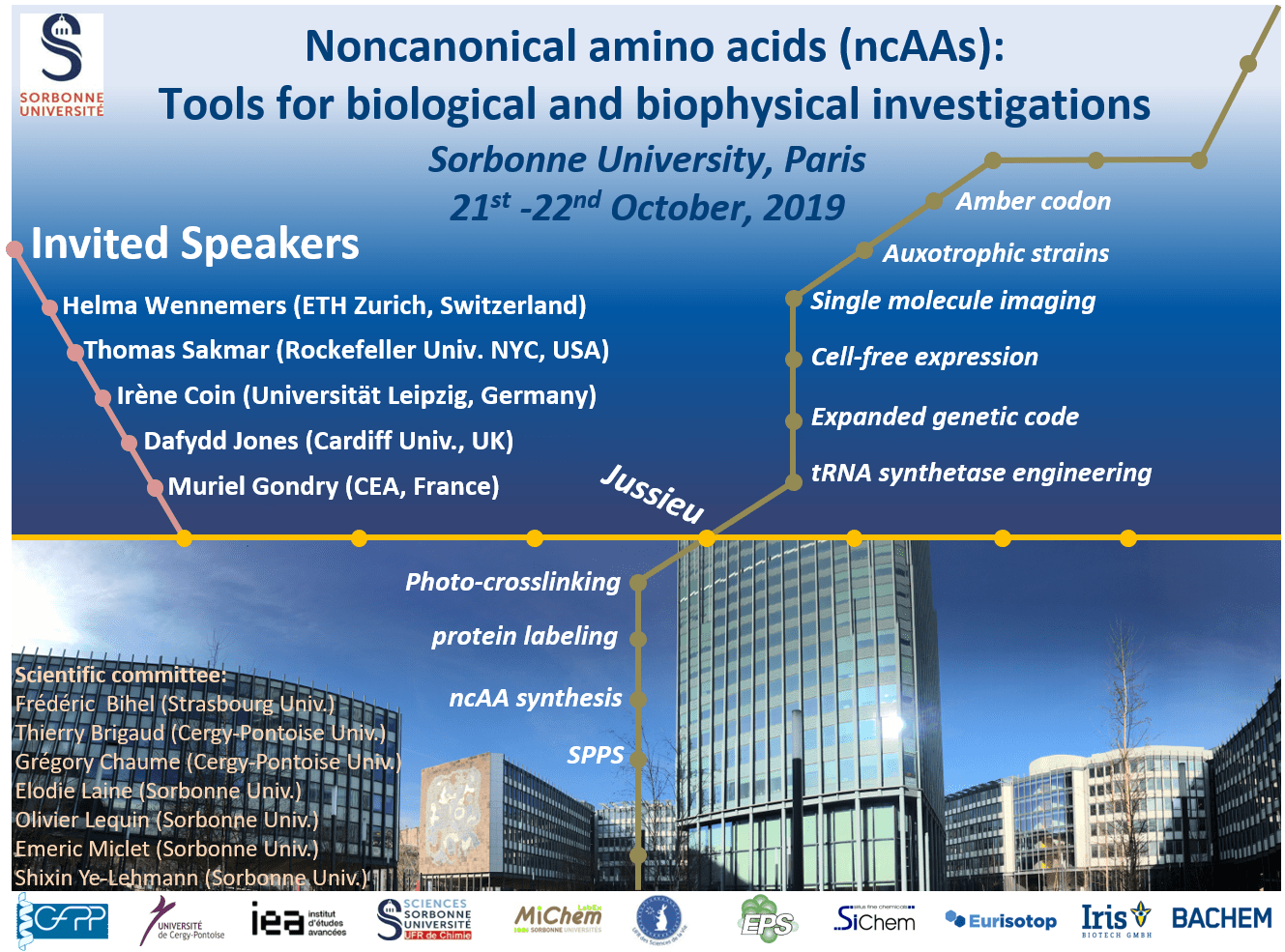
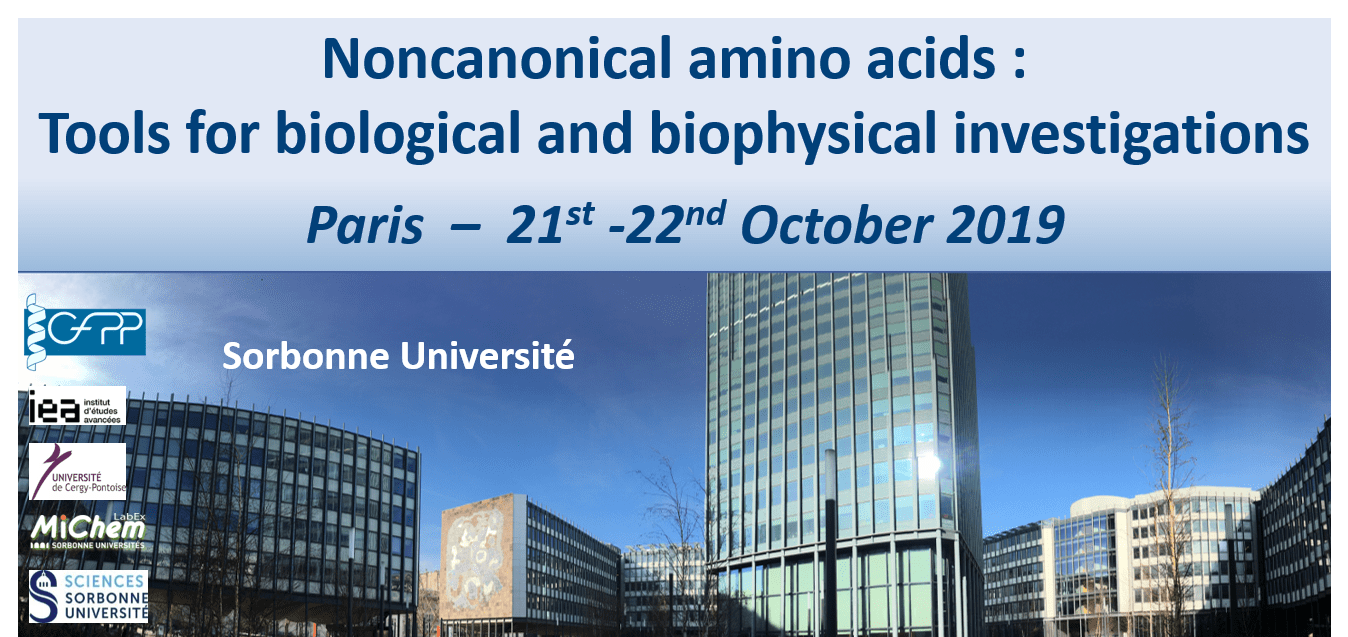
Noncanonical amino acids : Tools for biological and biophysical investigations

Co-organized with the French Peptides and Proteins Group (GFPP), this symposium will be held in Paris (France), from Monday 21st to Tuesday 22nd october 2019.

This two-day international symposium will focus on the emergent use of noncanonical amino acids (ncAAs) in peptide and protein science. It will bring together chemists, biochemists, biologists and biophysicists involved in the development of new technologies using ncAAs and in their application to biological questions.

A wide range of topics ranging from synthetic methodologies to applications in biology and biophysics will be covered. Contributions related to the synthesis of ncAAs and their incorporation in polypeptides by means of chemical or biological approaches will be considered. This includes methodological developments in solid phase peptide synthesis, cell-free expression, engineered host strains or aminoacyl-tRNA synthetase engineering. Applications in the field of chemical biology, medicinal chemistry, biomaterials science or biophysical studies will be particularly welcome.

The meeting will take place at Sorbonne University on October 21st-22nd 2019. The official language of the meeting will be English. Contributions will be presented as oral communication (15 min) or poster presentation.

All participants will have to register online. For any enquiry, please contact us.

Looking forward to seeing you in Paris!

The organizing committee

Excursions

Tuesday afternoon excursions

The choice between several excursions is proposed for Tuesday afternoon. Either :

Canoe/kayak on the river Loire.

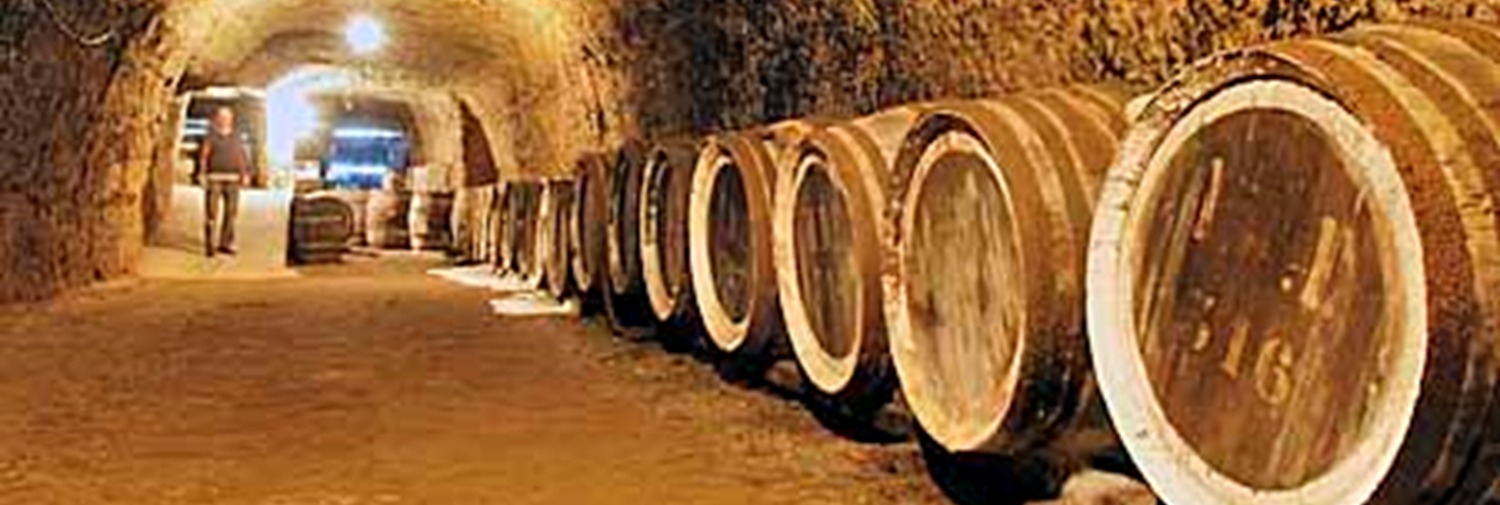
Visit of two wine cellars, including wine tasting sessions: oenotouristic visit of a  troglodyte wine cellar, and visit of a family-owned cellar and vineyard.

Visit of the Chenonceau castle.

Visit of the castle of Chaumont-sur-loire and the international garden festival.

Please note that some of the proposed excursions options could finally be unavailable, either in case of  weather incompatibilities or a of a too small number of registered participants for a given option. We will keep in touch with registered participants in due course to arrange for an alternative option.

Mailing list

Through its mailing list (800 subscribers), the GFPP regularly posts (one to two messages per month) job offers in the field of peptide and protein science, information about conferences and short thematic meetings organized by the association, and also relays announcements of congresses or other national and international events in the field.

To submit a job or internship offer, please use the dedicated online form.

To request to relay the announcement of an event, please send a message to this email.

To register or to be removed from our mailing list, please send a message to this address, with the subject line “GFPP Mailing List Subscription Request” or “Unsubscribe to the GFPP Mailing List”.

Inaugural conference

Dr. Jean-Alain FEHRENTZ

Institut des Biomolécules Max Mousseron, CNRS, Université de Montpellier  France. “Ghrelin receptor ligands: From the bench to the drug on the market !” (Abstract) Website

Invited lectures

Dr. Pau BERNADO

Centre de Biochimie Structurale, CNRS, INSERM, Université de Montpellier  ―  France. “Atomic resolution structural information of homo-repeats. The huntingtin case.” (Abstract) Website

Prof. Jonathan CLAYDEN

School of Chemistry, University of Bristol  ―  UK. “Artificial Mimics of G-Protein Coupled Receptors built from Conformationallly Switchable Peptidomimetic Foldamers” (Abstract) Website

Prof. Peter FALLER

Institut de Chimie de Strasbourg    France. “Metal-binding to the disordered peptide amyloid-β: structure, reactivity and biological aspects” (Abstract) Website

Dr. Arnaud GAUTIER

Department of Chemistry, ENS Paris    France. “Inducible chemical-genetic fluorescent reporters for bioimaging on demand” (Abstract) Website

Prof. Beate KOKSCH

Institute of Chemistry and Biochemistry, Freie Universität Berlin  ― Germany. “Bacterial life based on fluorinated amino acids” (Abstract) Website

Prof. Sandrine ONGERI

BioCIS, Université Paris Sud  ―  France. “Designing peptidomimetics to inhibit protein-protein interactions involving beta-sheet structures” (Abstract) Website

Dr. Sandrine SAGAN

Laboratoire des Biomolécules, Sorbonne Université, ENS Paris, PSL University, CNRS  ―  France “Cell-penetrating peptides and cell-specific penetrating peptides : how different?” (Abstract) Website

Dr. Denis SERVENT

Laboratoire de toxinologie moléculaire et biotechnologies, CEA Saclay  ― France. “Three-finger fold peptides, a natural scaffold supporting pleiotropic functional properties” (Abstract) Website

Prof. Hiroaki SUGA

Department of Chemistry, The University of Tokyo Japan. “Revolutionizing the discovery process of macrocyclic peptides for therapeutic use” (Abstract) Website