Dear colleagues,
Please find below informations about thematic days/symposia co-organized with GFPP and upcoming events that may interest you, as well as GFPP bursaries and job offers:


Groupe Français des Peptides et des Protéines
French Peptide Society
Dear colleagues,
Please find below informations about thematic days/symposia co-organized with GFPP and upcoming events that may interest you, as well as GFPP bursaries and job offers:
Dear colleagues,
Please find below informations about thematic days/symposia co-organized with GFPP and upcoming events that may interest you, as well as GFPP bursaries and job offers:

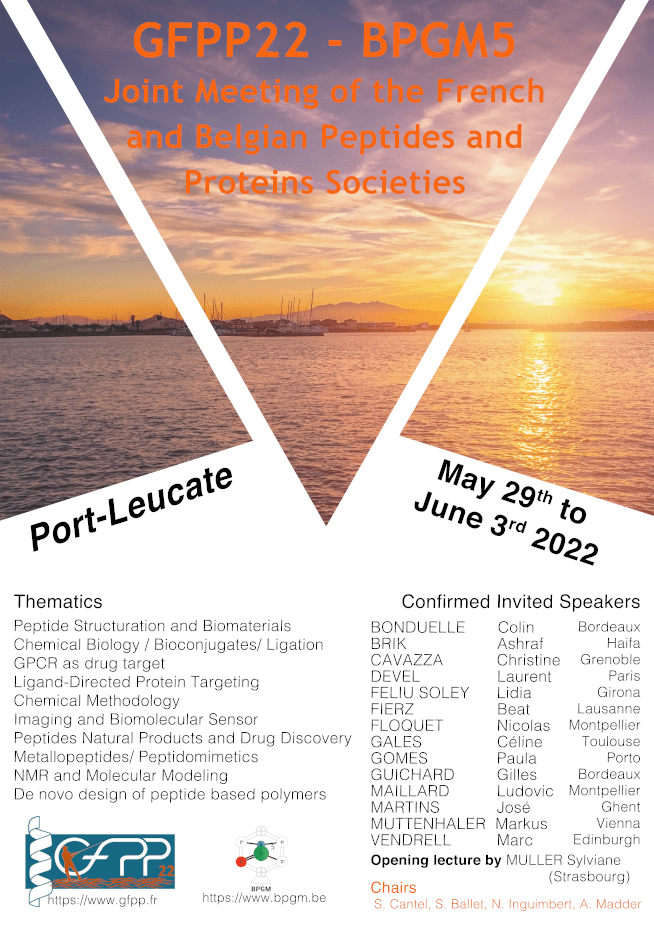
On behalf of the French Group of Peptides and Proteins (GFPP) and Belgian Peptide Group Meeting (BPGM), we have the great pleasure to invite you to the “Joint Meeting on Peptides and Proteins GFPP22 & BPGM5” organized by the French and Belgian Peptide and Protein Societies from May 29th till June 3rd 2022.
This event will be held in Port-Leucate, France. Between Montpellier and Perpignan, on a lagoon between the sea and the adjacent pond, it is one of the largest European marinas of the Mediterranean Sea. Sheltered from the Tramontane by the cliff, its small preserved creeks and its wild sand beach, the “Rives de Corbières” center will welcome you, also in line with any sanitary conditions (if still applicable).
The meeting, themed “Peptides and Proteins without Frontiers”, will allow to renew with a long-standing tradition, and reconnect our communities in a single place. This meeting is expected to be a great success, bringing together for the first time the Belgian and French communities in the field.
We have gathered a rich program of plenary speakers, spanning cutting-edge topics in the peptide and protein science fields. Moreover, this event will give additional opportunities to academic and industrial scientists to exchange through a special Biotechnology session, followed by a round table discussion.
The official language of the congress is English. To boost oral communications from young scientists, the members of GFPP and BPGM will award around 30 grants to young investigators to cover their registration fees.
Details of this meeting (scientific program, registration fees, accommodation, etc.) is now available on our website.
Looking forward to seeing you in Port-Leucate!
The GFPP and BPGM board members
Inaugural conference
Invited lectures
Dear colleagues,
Please find below informations about thematic days/symposia co-organized with GFPP and upcoming events that may interest you, as well as GFPP bursaries and job offers:

| Title | Duration (months) | Contact | City, country | Deadline for submitting (day/month/year) | Job description | |||
| PhD position in academia | Optimisation et évaluation de nouveaux analogues peptidiques de première génération pour le traitement du diabète de type 2 | 36 | Dr. Jérôme Leprince |  | INSERM U1239, NorDiC | Rouen, France | 01/06/2026 | Download |
| 15 PhD positions in academia | Elucidate the structural and functional roles of amyloid protein–lipid aggregates in pathological processes such as aggregation, cellular toxicity, and intercellular spread. See: https://lipagg.eu/ | 36 | Dr. Lucie Khemtemourian | CBMN (Institute of Chemistry and Biology of Membranes and Nano-Objects), UMR 5248 | Bordeaux, France | 01/06/2026 | Download | |
| Postdoc in academia | Development of a new generation of site-selective protein bioconjugation technologies | 16 | Dr. Vincent Aucagne |  | Centre de Biophysique Moléculaire (CBM) CNRS UPR 4301 | Orléans, France | 24/06/2026 | Download |
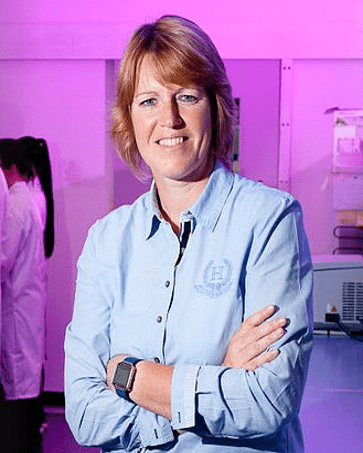 School of Pharmacy, Quenn’s University – UK
“Therapeutic Nucleic Acid Vaccinations: RALA peptide-mediated gene delivery via dissolving microneedles”
Prof McCarthy’s research team have focused on the development of non-viral delivery systems for nanomedicine applications in the School of Pharmacy. These biomimetic peptide systems are designed to overcome the extra and intracellular barriers, so that the macromolecular payload can be delivered at the destination site in order to exert the optimal therapeutic effect. Helen has designed and patented three delivery systems. Current research projects involve gene therapy for metastatic deposits; miRNA therapeutics for oncology and wound healing applications; mRNA and DNA vaccination strategies; and regeneration of bone by increasing the bioavailability of ceramics. The wide-spread utility of these delivery systems has led to a spin-out company Phion Therapeutics www.phiontx.co.uk. We currently have two internal projects funded by Innovate UK, several commercial partners, one of which includes Cell and Gene Therapy Catapult for ex vivo applications of our technology.
[foogallery id=”4499″]
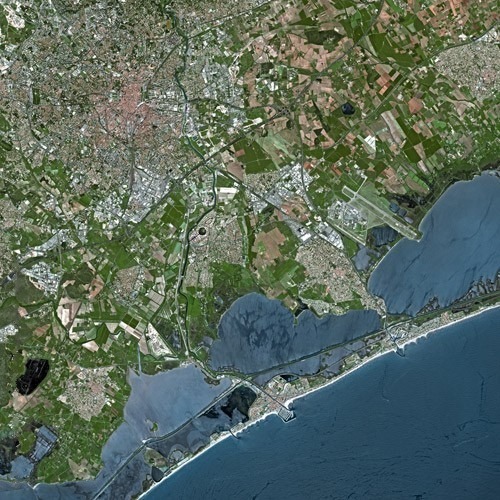
Montpellier is close to the Mediterranean Sea, in the south-east of the Hérault department, whose territory is defined as an amphitheater open to the sea, bordered by the Cévennes to the north-east and the Haut-Languedoc to the north-west.
[foogallery id=”4344″]
Montpellier is accessible by:
– Plane: Airport Montpellier Méditerrannée
– Train: Station Saint-Roch (in the city center) or Station Montpellier Sud de France (outside of the city)
Thanks to 4 lines of tramway, ample bus services (line 6, 7, 8, 11, 12, 16) taxis, you can go anywhere your heart desires in and around Montpellier. Please note that a three days transportation ticket will be kindly provided in the Conference package. Just pay for the first ride.
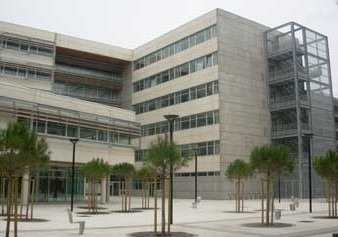
The CPP-2020 conference on “Cell-Penetrating peptides: Next generation delivery systems” will be held on April 27-29, 2020, in Montpellier at the Maison des étudiants – Aimé Shoenig – Espace Richter.
The “Maison des étudiants” is in the east of Montpellier near the border of the river “Lez” and is situated at the following address:
Rue Vendémiaire, 34000 Montpellier (Google map)
Access via tramway 1 (Station Rives du Lez) or tramway 3 (Station Port Marianne)
Different hotels and accommodations are available in the near.
Many others hotels of different categories are also available in the city center (near the Place de la Comédie), located only 5 tramway stations (12 min transportation) from the Conference Hall.
NEW DEADLINE for submitting an abstract for oral communication:
March 7th, 2020
Deadline for submitting an abstract for poster communication: March 31th, 2020
Please upload your abstract during the registration or send it before the deadline to the organizing comittee.
The number of oral presentations is limited, scientific committee will process a selection and confirm your presentation a.s.a.p.
Please note that we do not print the posters, but racks & pins will be provided for up to A0 sizes, portrait format.
Please download the template for abstract submission.
Regarding the worldwide situation about the COVID-19, we are sorry to announce that the conference “Cell-penetrating peptides: Next generation delivery systems” will be postponed.
The new dates for the conference will be
from Monday 5th to Wednesday 7th October 2020.
Key Dates:
February 29th, 2020: deadline for oral communication submission
March 31th, 2020: deadline for poster submission.
March 31th, 2020: end of registration.
|
Registration types |
Registration Fees |
|
Students / PhDs |
100€ |
|
Academics / PostDocs |
150€ |
|
Private company delegates |
250€ |
Registration fees include:
The Compliance Leader will be working as part of the Corden Pharma Brussels Quality Assurance Department and ensure that the products are manufactured, stored and packaged in accordance with cGMP regulation. The Compliance Leader will be working as part of the Quality Unit on site ensuring products are manufactured, stored and packaged in accordance with the cGMP. Under the direction of the Head of Quality, he/she will be in charge to improve continuously the Quality system regarding the cGMP requirements. He/She will be a QA support in case of quality issues and problem solving techniques to assure the successful outcomes of company and external Health Authority. He/She will be in direct contact with our customer in case of qualification audit, QA complaint issues and other quality topics. The Compliance Leader is reporting to the Head of Quality.
Closing lecture
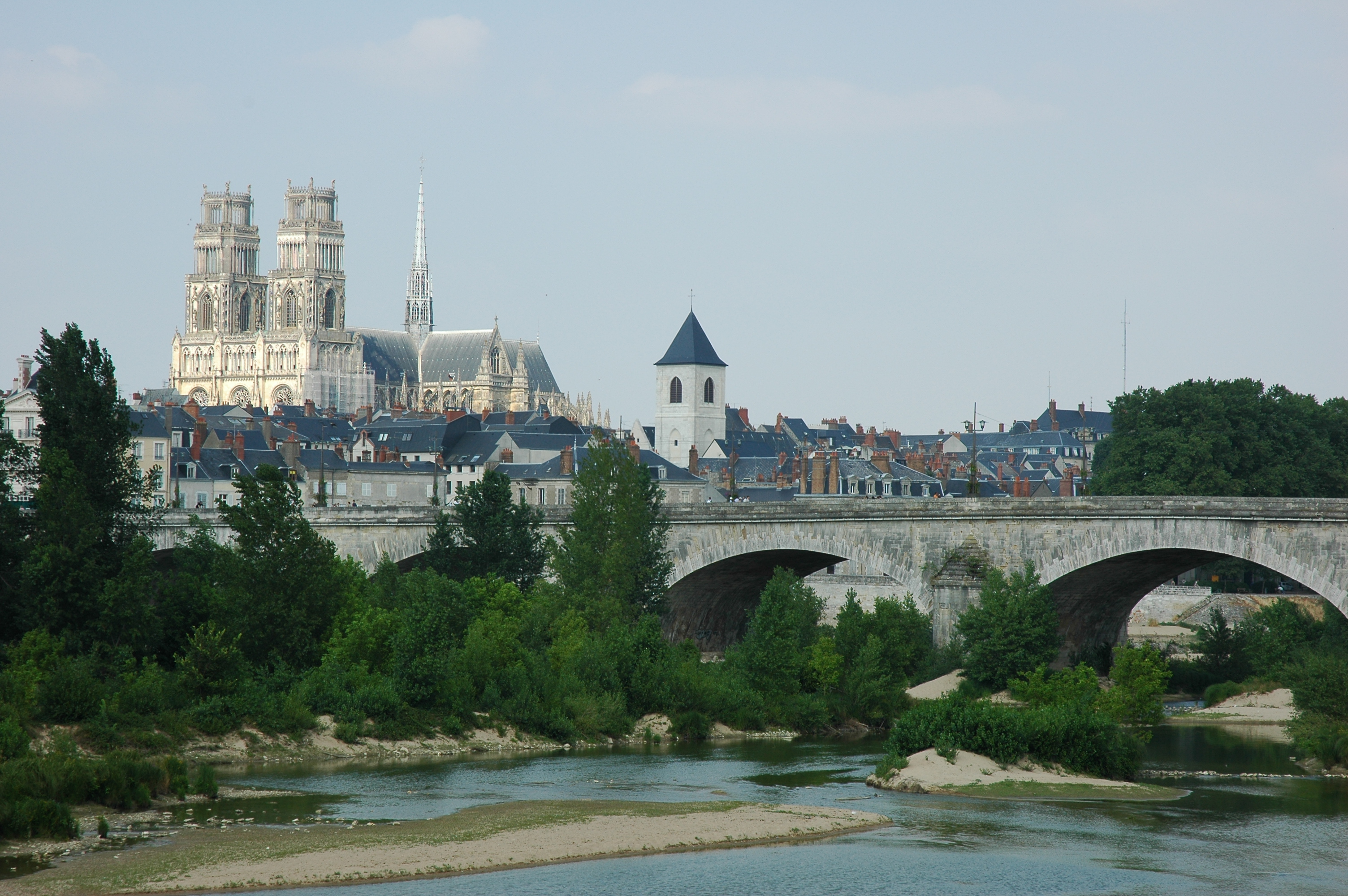
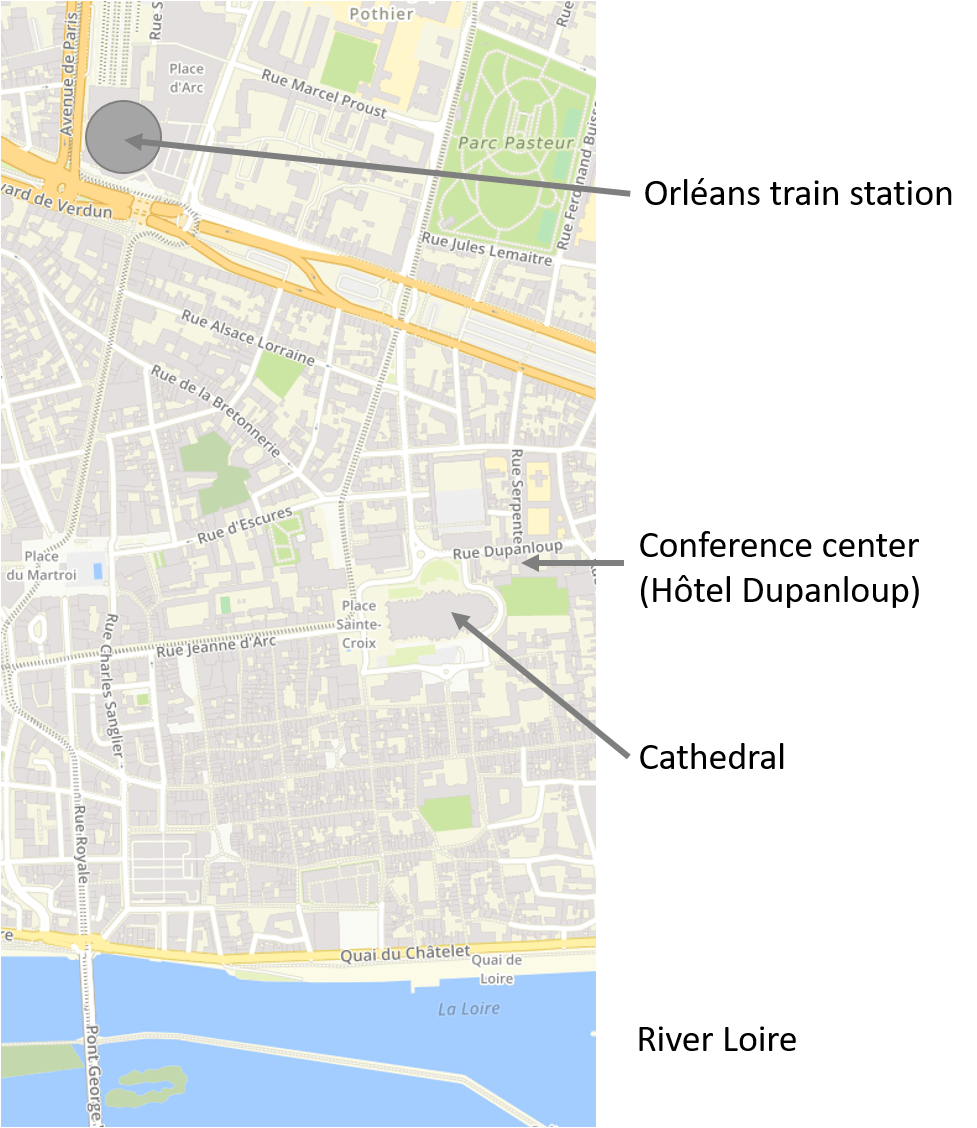
Orléans is located 110 km north of Paris. There is regular trains from Paris Austerlitz station and from Tours train station (both around 1 h travel), as well as direct shuttles from the two Paris airports (Orly and Roissy-Charles de Gaulles).
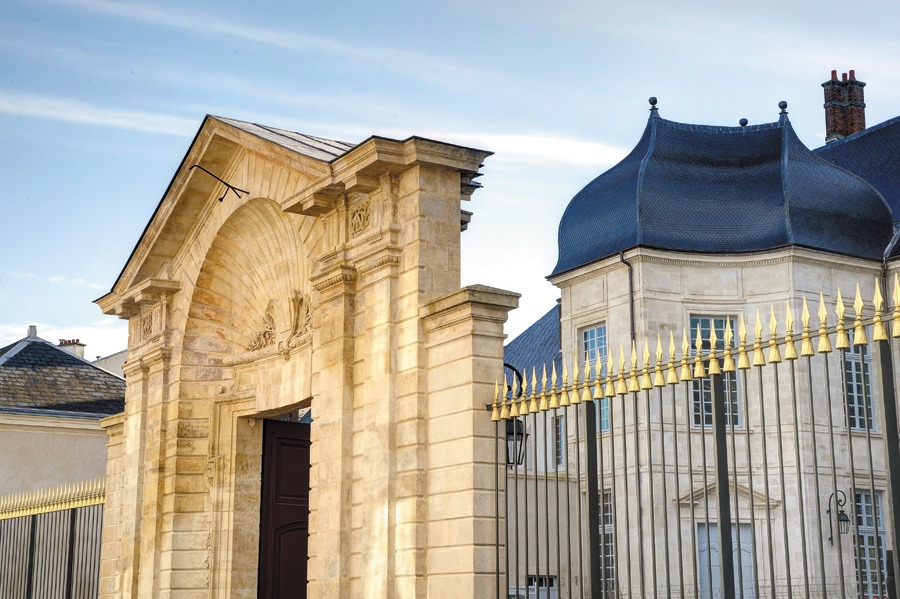
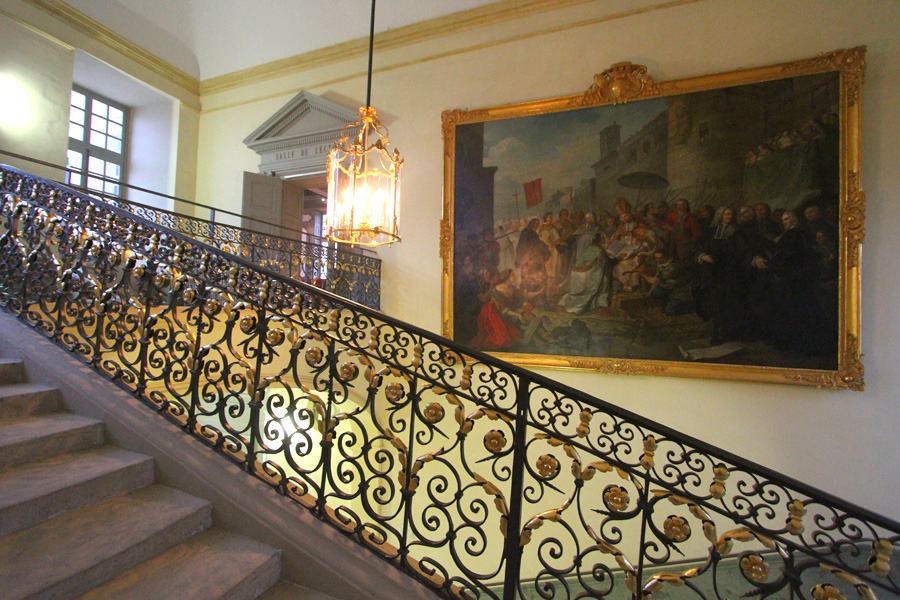
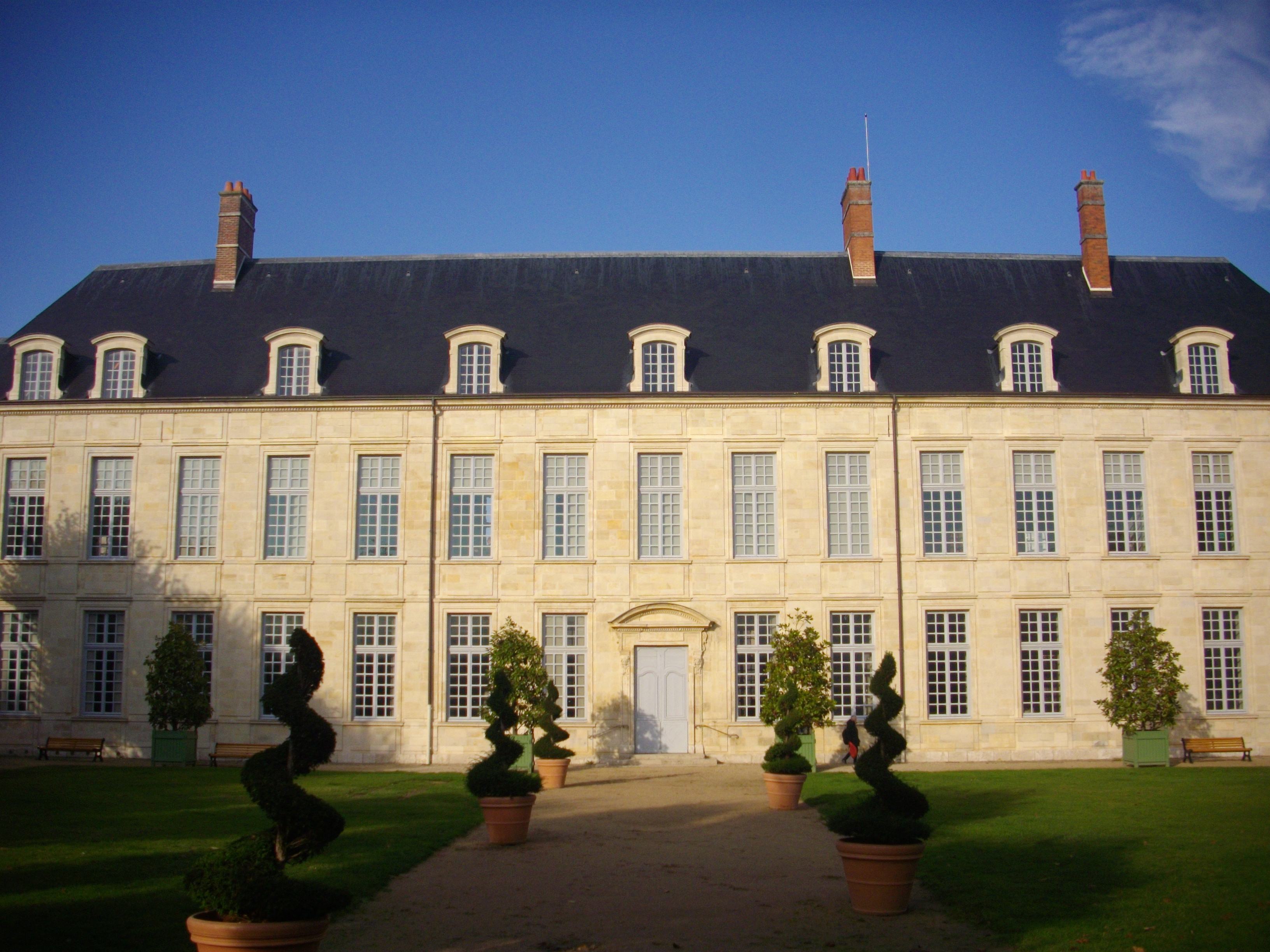 The conference venue is unique. Located right next to the Orléans’ cathedral, the episcopal palace of Orléans, built between 1635 and 1641, locally known as the Hôtel Dupanloup, is a classical French building which served until 1905 of residence to the bishops of Orléans. Since 2014, the renewed palace hosts the International University Center for Research and Le Studium Loire Valley Institute for Advanced Studies.
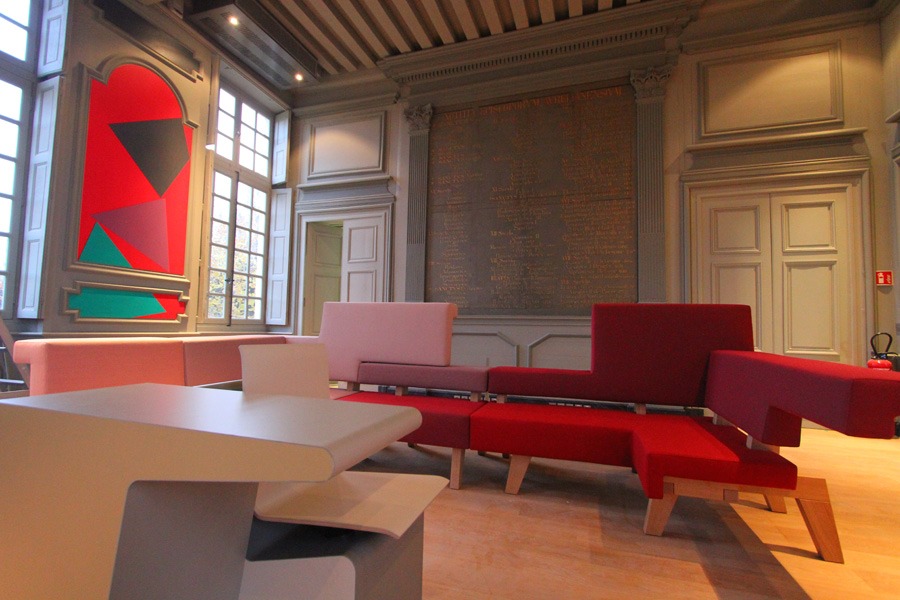
Participants will be welcomed in this exceptional surrounding, blending Middle Age and Renaissance cultures with modern design and will have the opportunity to discover French cuisine and wines.
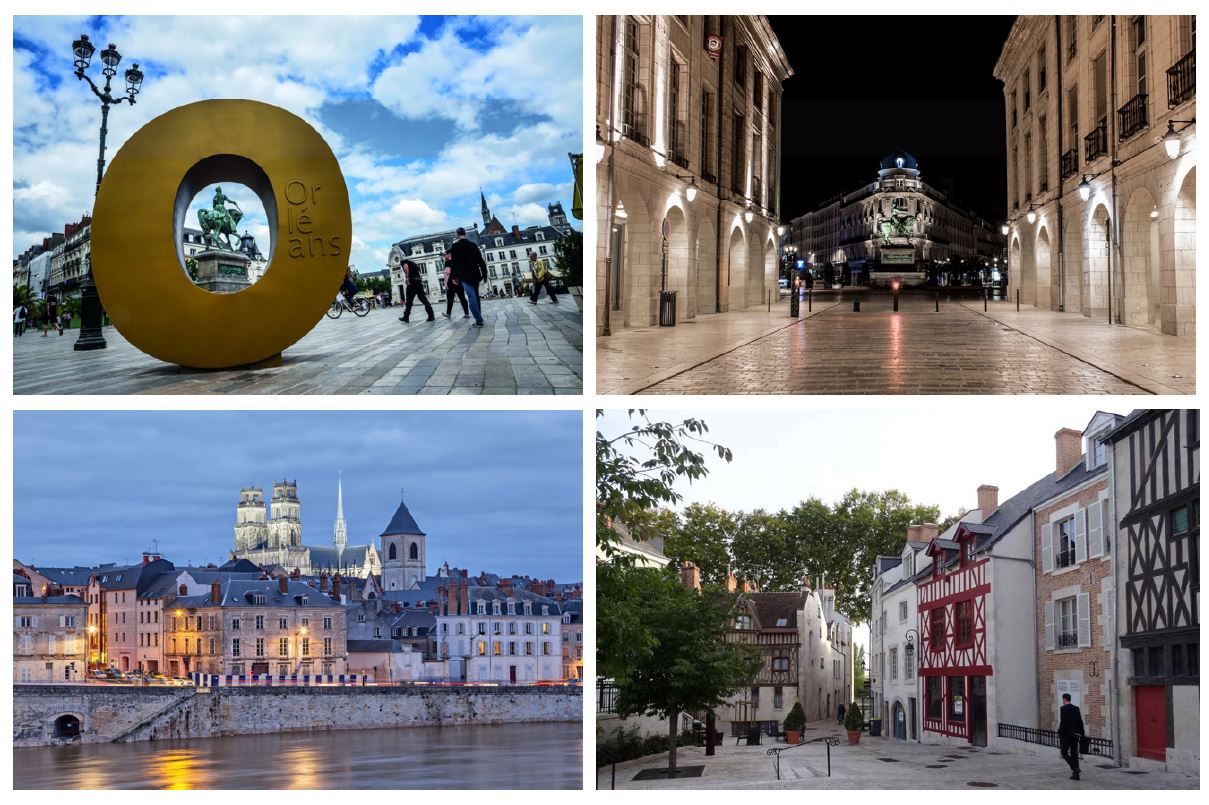 Venue adress: 1, rue Dupanloup – 45000 ORLEANS – FR
Hôtel Dupanloup is 10 min walk from Orléans train station. Alternatively, you can take tram A to De Gaulle station then tram B to Cathédrale-Hôtel de Ville station.
Organizing committee:
Scientific committee:
CNRS Center for Molecular Biophysics (CBM), Orléans, France
November 18th, 2019 : deadline for oral communication submission
December 2nd, 2019 : deadline for poster submission. January 20th, 2020 : end of registration.
| Registration types | Registration Fees |
| PhD student | 75 € |
| Academic delegate | 180 € |
| Private company delegate | 250 € |


Deadline for submitting an abstract for oral communication ended on November 18th, 2019, and the oral communication selection process is now over (see the selected oral communications at the bottom of the page) .
Deadline for submitting an abstract for poster communication has been postponed to January 17th, 2020
Please upload your abstract during the registration or send it before the deadline to .
Note that we do not print the posters, but racks & pins will be provided for up to A0 sizes, portrait format.
Please download the template for poster presentation.
List of the oral communications selected from the submitted abstracts:
| Name | Organisation | Country | Abstract title |
| Dr Elisabeth Garanger | University of Bordeaux | France | Expanding the toolbox of chemoselective modifications of protein-like polymers at methionyl residues |
| Dr Gosuke Hayashi | Nagoya University | Japan | Chemical synthesis of histone proteins through novel ligation strategies |
| Dr Samir Messaoudi | Paris-Sud University | France | Synthesis of aryl-thioglycopeptides through chemoselective Pd-mediated conjugation |
| Dr Pierre Milbeo | Trinity College of Dublin | Ireland | Development of Novel Thiol-ene Mediated Peptide Ligation Strategies |
| Dr Elisabetta Mileo | Aix-marseille University | France | Nitroxide-based spin tags coupled to EPR spectroscopy: investigation of protein structural dynamics in vitro and inside cells |
| Dr Laia Miret Casals | Ghent University | Belgium | Furan crosslink technology: from in vitro analysis of peptide-protein interactions to GPCR-ligand interactions on live cells |
| Dr Somnath Mukherjee | University of Vienna | Austria | Impact of site-specific non-enzymatic posttranslational modification on the structure-activity attributes of human Hsp27 |
| Dr Kevin Neumann | ETH Zurich | Switzerland | Cyanosulfurylide as a protecting group for carboxylic acid during peptide synthesis |
| Dr Marina Rubini | University College Dublin | Ireland | Semisynthetic approaches for studying post-translational modifications |
| Mrs Rebecca Schäfer | ETH Zurich | Switzerland | The Bioorthogonal Isonitrile-Chlorooxime Ligation |
| Mr Ruben Tomás | University of Warwick | UK | Controlling Synthetic Polymer Ligation to Metabolically Labelled Cellular Interfaces to Introduce Non-native Functionality. |
| Prof Ping Wang | Shanghai Jiao Tong University | China | Histidine-Specific Peptide Modification via Visible-Light-Promoted C-H Alkylation |
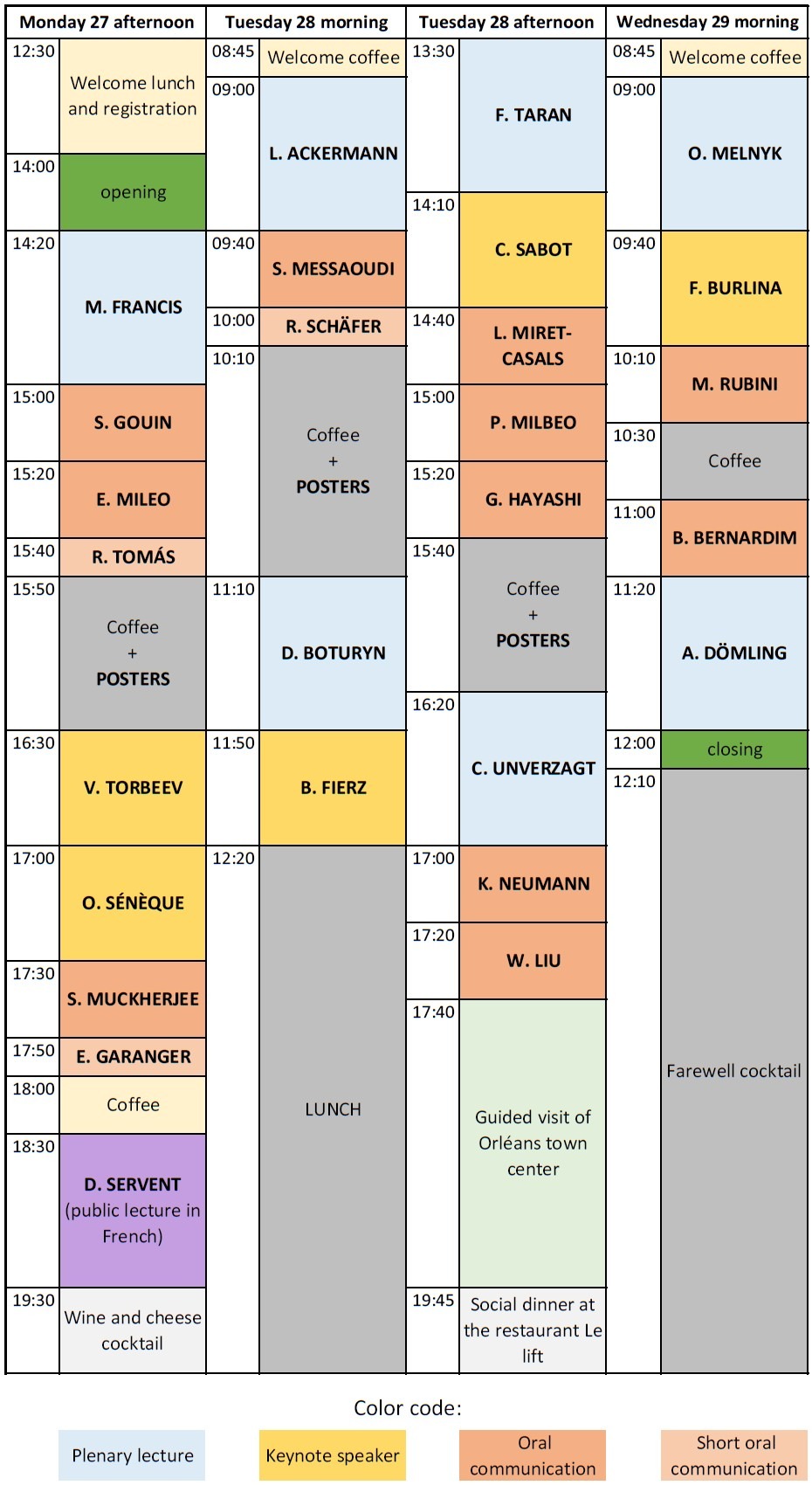
MONDAY JANUARY 27th 2020
The symposium entitled:
Challenges and prospects in chemoselective ligations: from protein synthesis to site-specific conjugation
have been held in Orléans (France), from Monday 27th to Wednesday 29th January 2020.
This three-day international conference was jointly organized by LE STUDIUM Loire Valley Institute for Advanced Studies and the Centre for Molecular Biophysics – CNRS Orléans. This event was held under the auspices of the French Peptide and Protein Group (GFPP) and followed three previous editions (Paris 2001, Lille 2008 and 2016) of short international meetings dedicated to chemical ligation. The official language of this meeting is English.
Recent years have seen an exponentially growing interest in chemical reactions enabling the selective modification of proteins and peptides. These advances are intimately linked to the development of methodologies for protein engineering with an atomic precision, for the generation of well-defined antibody-drug conjugates or on-demand probes to decipher biological processes. Such chemoselective reactions are also widely utilized for the total synthesis and semi-synthesis of proteins through chemical ligation of unprotected peptide fragments, an approach highly complementary to recombinant production. The chemical reactions implemented for both purposes share the same requirements: compatibility with dilute aqueous solution at physiological pH, and tolerance to the myriad functional groups commonly found in biomolecules. These remarkable features inspired the advent of bioorthogonal reactions, which can be carried out in living systems.
Sixteen invited speakers have accepted our invitation and covered the different aspects of these multidisciplinary fields, from methodology development to biological applications. In addition, contributions selected from submitted abstracts have been presented as oral communication and poster.
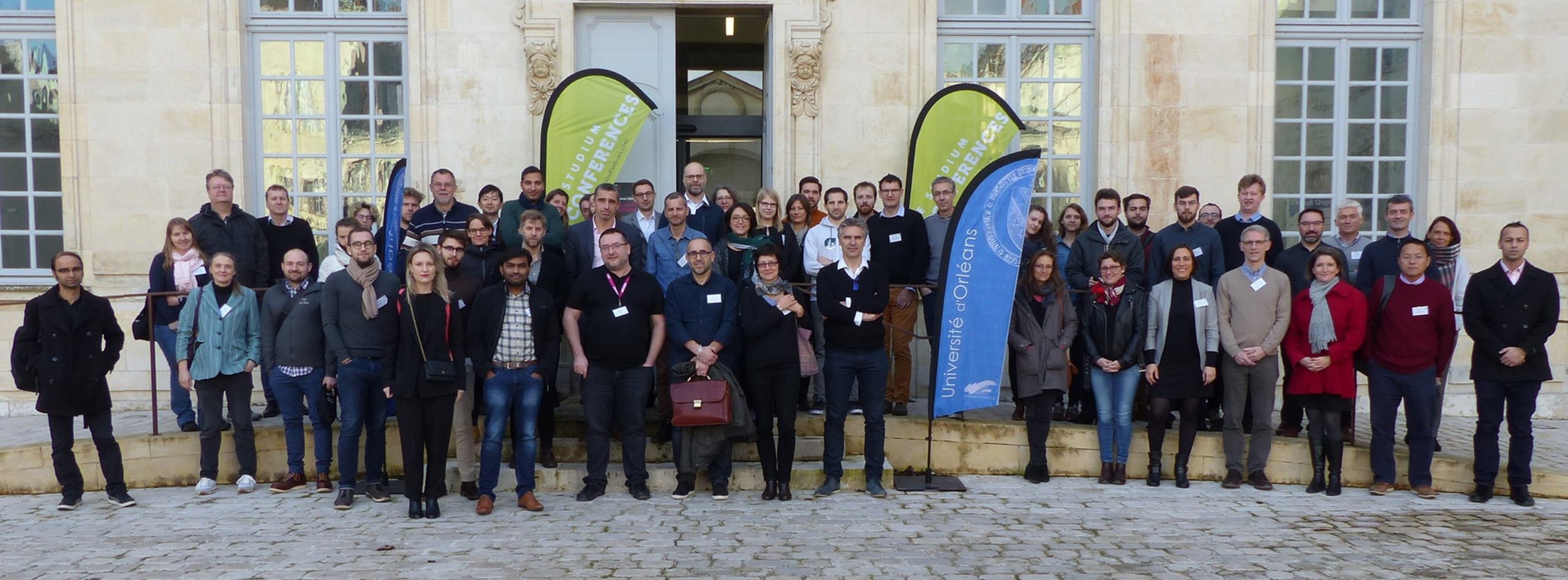
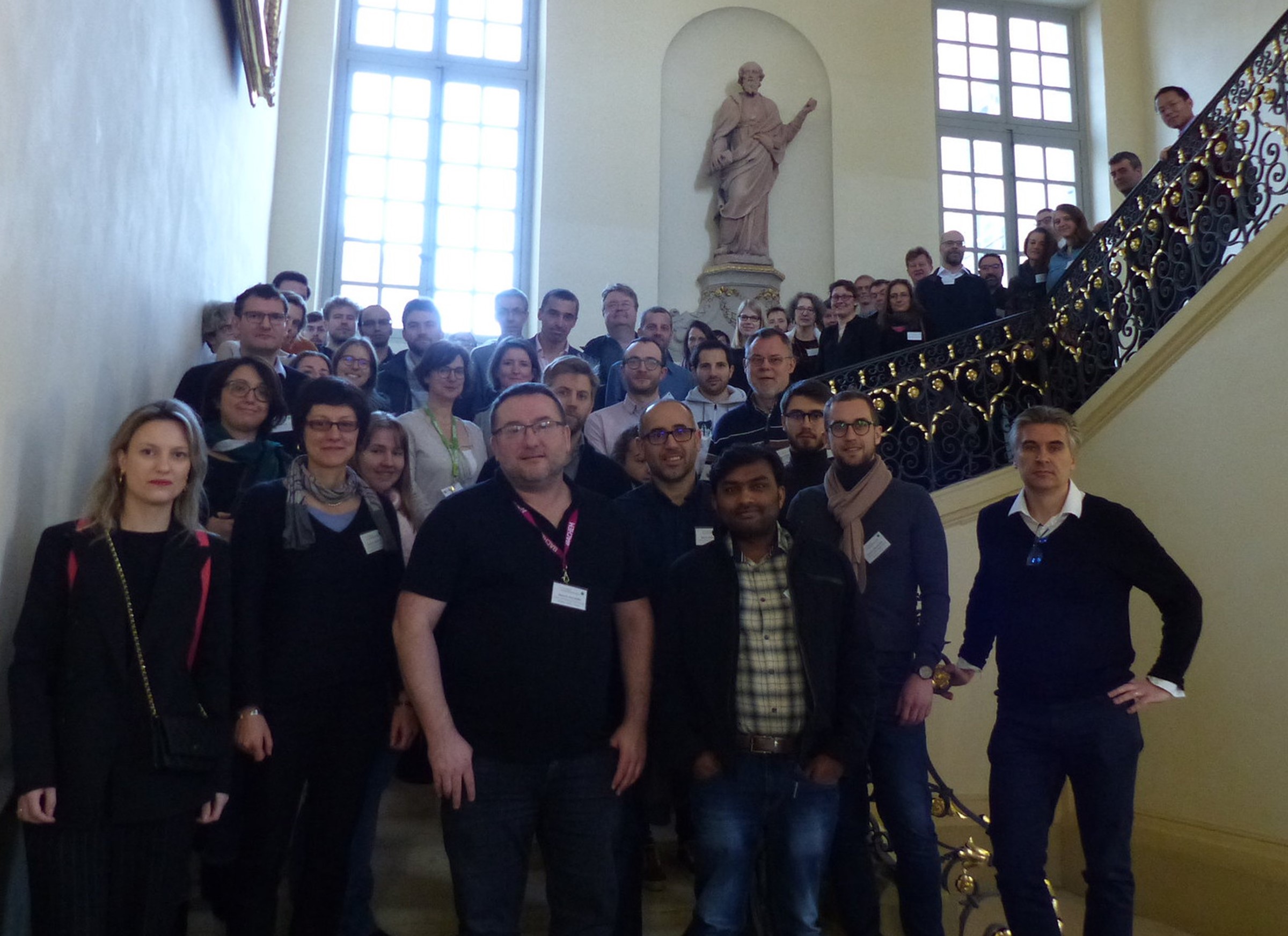
Forthcoming thematic days organized under the auspices of GFPP
Invited speakers
Please find below the finalized speaker list, after a couple of last minute changes.
 Institut für Organische und Biomolekulare Chemie, Georg-August-Universität Göttingen, Germany
« C─H Activation as an Transformative Tool for Late-stage Diversification of Biomolecules »
 University of Cambridge, UK
Royal Society Newton International Fellow in Prof. Gonçalo BERNARDES group
« Title to be announced »
 Department de Chimie Moléculaire, University of Grenoble, France
« Design of peptide vectors through chemoselective ligations »
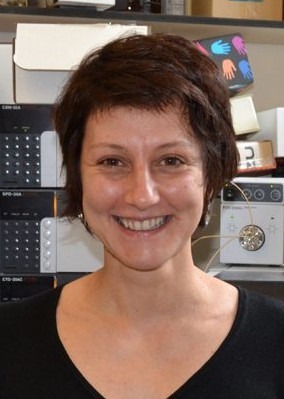 Laboratoire des Biomolécules, Sorbonne University, Paris, France
« Extending chemical ligation for protein synthesis: Application to NEMO ubiquitylation »
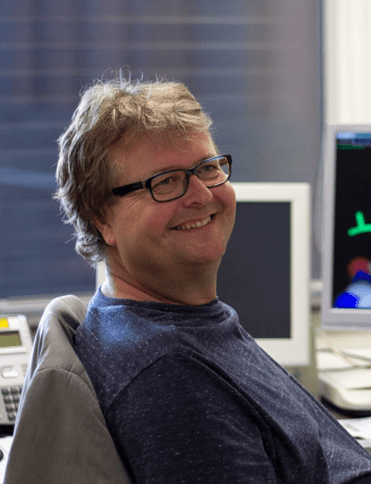 Faculty of Pharmacy, University of Groningen, Netherlands
« Multicomponent reaction chemistry: From novel small molecules to automated nano chemistry to stapled peptides. »
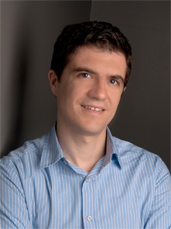 École Polytechnique Fédérale de Lausanne, Switzerland
« Synthetic and single-molecule exploration of the dynamic chromatin landscape »
 Department of Chemistry University of California, Berkeley, USA
« Chemoselective Oxidative Coupling Reactions for Protein and Peptide Ligations »
 Laboratoire CEISAM University of Nantes, France
« Electrochemically promoted tyrosine-click-chemistry for protein labeling »
 Department of Chemistry Texas A&M University, College station, USA
« Phage-Encoded Noncanonical Amino Acids for Drug Discovery »